


In today’s hyper-competitive global marketplace, businesses are under constant pressure to reduce operational costs, improve delivery timelines, and enhance overall supply chain visibility. Whether managing domestic transportation or international freight movements, logistics efficiency plays a critical role in maintaining profitability and customer satisfaction. Rising fuel costs, fluctuating freight rates, and increasing customer expectations have made it essential for businesses to rethink traditional shipping models. One powerful strategy that has gained widespread adoption across industries is shipment consolidation.
Shipment Consolidation in Logistics is the process of combining multiple smaller shipments from different suppliers or customers into a single larger shipment. Instead of transporting goods separately, companies strategically group cargo headed in the same direction to maximise space utilisation and minimise transportation expenses. This approach not only reduces freight costs but also decreases environmental impact and streamlines warehouse operations. In this blog, we will explore how shipment consolidation works, its key benefits, and how it significantly improves supply chain efficiency across industries.
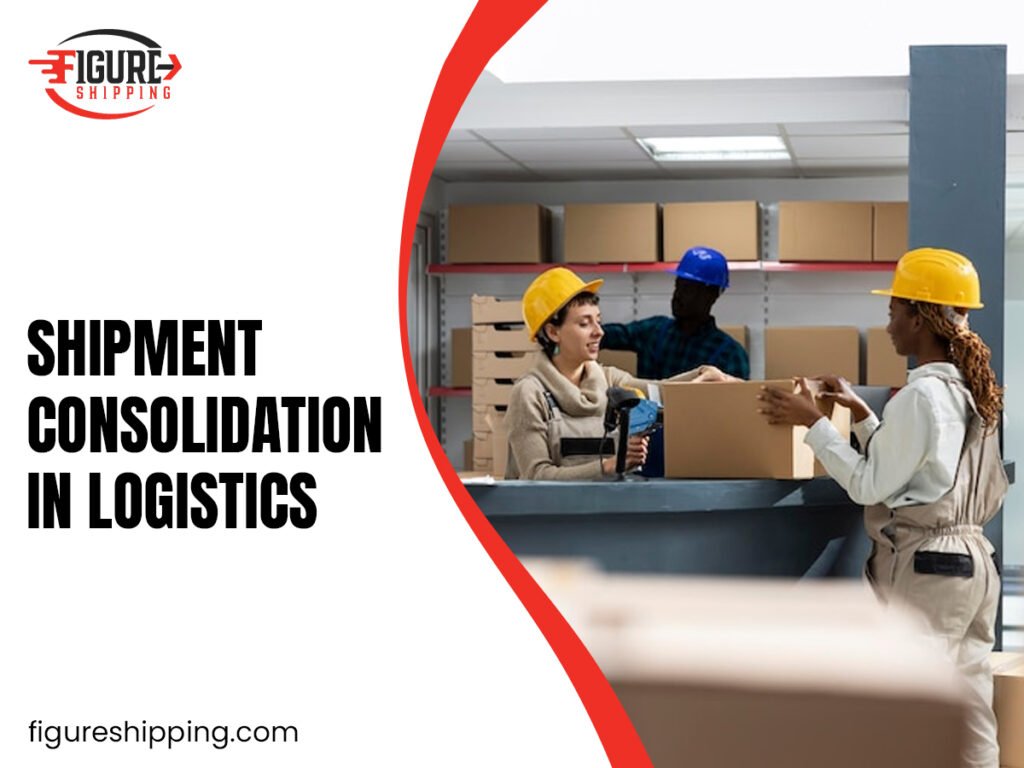
What Is Shipment Consolidation?
Shipment consolidation, often referred to as freight consolidation, involves grouping multiple smaller consignments into one full truckload (FTL), container load, or palletised shipment. Instead of sending several less-than-truckload (LTL) shipments separately, logistics providers combine them into a single transport movement.
For example, if three suppliers are sending goods to the same distribution centre, those shipments can be consolidated at a warehouse or cross-docking facility before being transported together. Once they reach the destination, they are separated and delivered accordingly. This method optimises transportation capacity and reduces the cost per unit shipped.
Reduced Transportation Costs
One of the most significant advantages of shipment consolidation is cost savings. When shipments are moved individually as LTL freight, businesses often pay higher rates due to unused truck space. Consolidation allows companies to share transportation costs across multiple shipments. By maximising truckload capacity, the cost per pallet or per unit decreases substantially.
Additionally, fewer trips mean lower fuel consumption, reduced toll expenses, and minimised carrier handling fees. For businesses operating on tight margins, these savings can directly impact profitability.
Improved Supply Chain Visibility
Shipment Consolidation in Logistics often requires centralised coordination, which leads to better tracking and data management. When goods move through consolidation hubs, logistics teams can monitor inventory flow more effectively.
Advanced tracking systems allow real-time updates, improved documentation accuracy, and better forecasting. This centralised visibility reduces the risk of lost shipments and improves decision-making. Greater transparency also enhances communication between suppliers, carriers, and customers, creating a more collaborative supply chain ecosystem.
Optimised Warehouse Operations
Consolidation supports efficient warehouse management by streamlining inbound and outbound freight. Instead of receiving multiple small shipments at different times, warehouses can schedule consolidated deliveries.
This reduces dock congestion, improves labour allocation, and minimises unloading times. Cross-docking operations become smoother, and inventory processing becomes more predictable. Efficient warehouse workflows translate into faster order fulfilment and reduced operational bottlenecks.
Faster Transit Times Through Strategic Planning
While consolidation may appear to delay shipments initially due to grouping processes, it often leads to faster overall delivery timelines. Why? Consolidated shipments frequently move as full truckloads or full containers, which typically follow direct routes with fewer stops compared to LTL freight. Fewer touchpoints reduce handling time and the risk of delays.
Strategic scheduling ensures that consolidation does not compromise delivery deadlines. With proper planning, businesses can achieve both cost efficiency and timely distribution.
Reduced Risk of Damage
Each time an international shipping Dubai is handled, transferred, or repacked, the risk of damage increases. LTL shipments may be loaded and unloaded multiple times across transit hubs. Consolidated freight, particularly full truckload shipments, experiences fewer handling stages. Reduced movement minimises breakage, misplacement, and loss.
Lower damage rates not only reduce replacement costs but also improve customer satisfaction and brand reliability.
Environmental Sustainability
Shipment consolidation plays a significant role in reducing carbon footprints. By maximising truck or container capacity, businesses reduce the number of vehicles on the road. Fewer trips mean lower fuel consumption and decreased greenhouse gas emissions.
Companies that adopt consolidation strategies demonstrate environmental responsibility, which strengthens their corporate image and aligns with global sustainability goals.
Enhanced Inventory Management
Shipment consolidation enables businesses to better plan inventory flow. By grouping shipments strategically, companies can align transportation schedules with production cycles and demand forecasts.
Consolidation also supports just-in-time (JIT) inventory systems by coordinating deliveries more efficiently. Improved synchronisation between supply and demand enhances overall supply chain agility.
Stronger Carrier Relationships
Working with consolidation strategies often involves long-term partnerships with logistics providers. Consistent shipment volumes and optimised freight movement create a predictable business for carriers. In return, businesses may receive better pricing, priority service, and more flexible scheduling.
Stronger partnerships foster reliability and smoother operations across the supply chain network.
Types of Shipment Consolidation
To better understand its impact, it’s helpful to recognise the main types of shipment consolidation:
Multi-Supplier Consolidation
Goods from multiple suppliers are combined before being delivered to a single customer or warehouse.
Multi-Customer Consolidation
Shipments from one supplier are grouped and distributed to multiple customers within a region.
Hub-and-Spoke Consolidation
Freight is routed through a central hub, where it is consolidated and redistributed efficiently.
Each model is designed to improve routing efficiency and reduce redundant transportation movements.
Challenges and How to Overcome Them
While shipment consolidation offers numerous benefits, it requires proper coordination and planning.
- Timing Coordination: Shipments must arrive at consolidation points within defined windows.
- Advanced Technology: Tracking systems and inventory software are essential.
- Strategic Forecasting: Accurate demand forecasting ensures smooth operations.
Partnering with experienced logistics providers helps overcome these challenges and ensures seamless implementation.
Conclusion
Shipment Consolidation in Logistics has emerged as a powerful strategy for improving supply chain efficiency. By combining smaller shipments into optimised freight movements, businesses can significantly reduce transportation costs, improve visibility, streamline warehouse operations, and enhance sustainability. The benefits extend beyond simple cost savings—consolidation strengthens supplier relationships, reduces damage risk, and increases overall supply chain reliability.
For companies seeking reliable and efficient freight solutions, Figure Shipping offers professional logistics services designed to maximise supply chain efficiency. Learn more about how expert shipment consolidation and freight management can support your business growth with us.


